Have a huge collection of unwanted t-shirts that you’re not ready to part with? Check out this upcycle activity that you can do with your t-shirts using only a pair of scissors (and a marker) – 10 easy steps!
Materials Needed:
1 t-shirt
1 pair of scissors (need to be sharp enough to cut through cloth)
1 market (optional)
1 medium/large sized dish or bowl (optional)
TIP – If using a t-shirt with a logo on it, you’ll want it to be towards the middle of the t-shirt.
Directions:
Step 1 – Lay your t-shirt down on the floor or any flat surface.
Step 2 – Take a look at your t-shirt and decide visually where your cut marks will go. If you have a logo, you may need to adjust where you cut.
Sept 3 – Turn your t-shirt inside out and lay it back down on your flat surface. Flatten it out (does not need to be ironed).
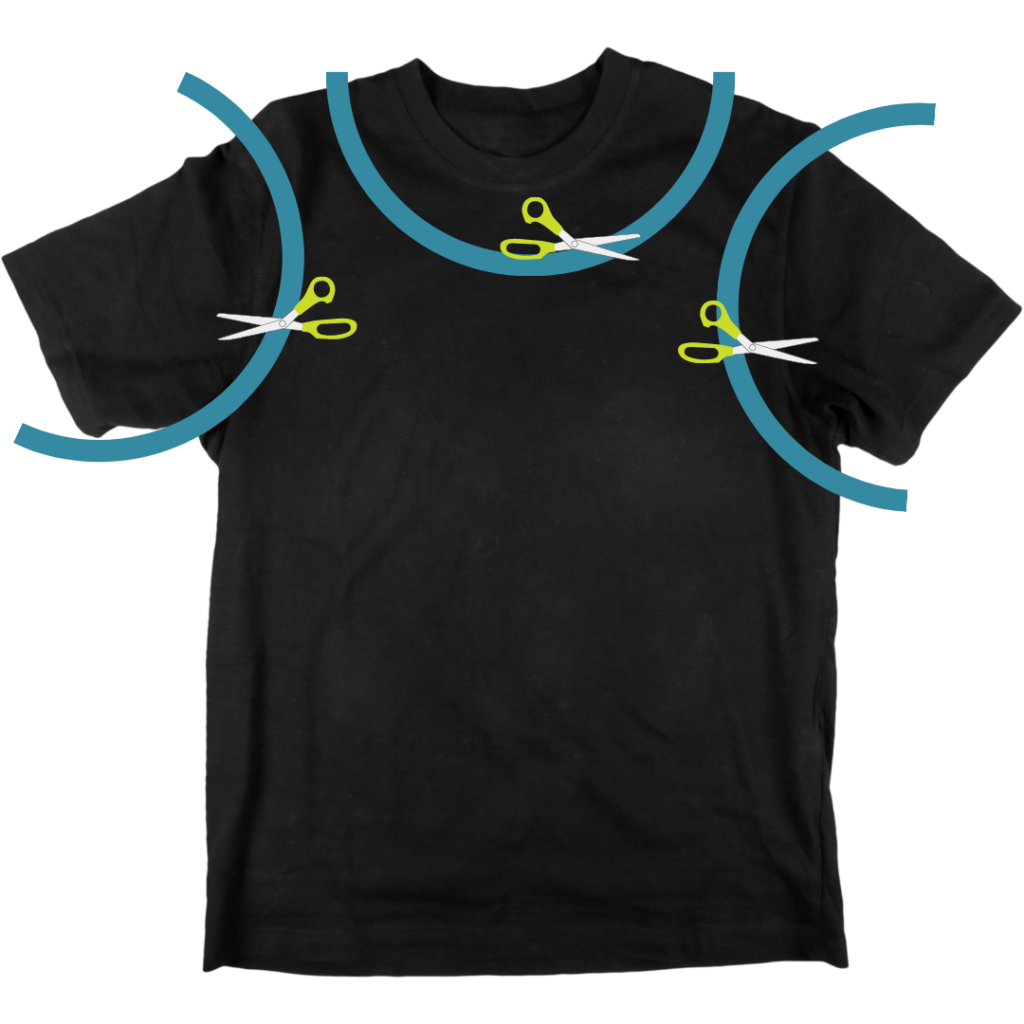
Step 4 – Using your scissors, cut off your sleeves (you want to cut just past the the thread marks). It is important that you only cut off the sleeves at this point.
Step 5 – Using your dish, place your dish on top of the neck hole. Move it down so you have a half of a circle on your t-shirt and the other half on your surface. Using your marker, draw the half circle. You can also eyeball this part as well if you’d like.
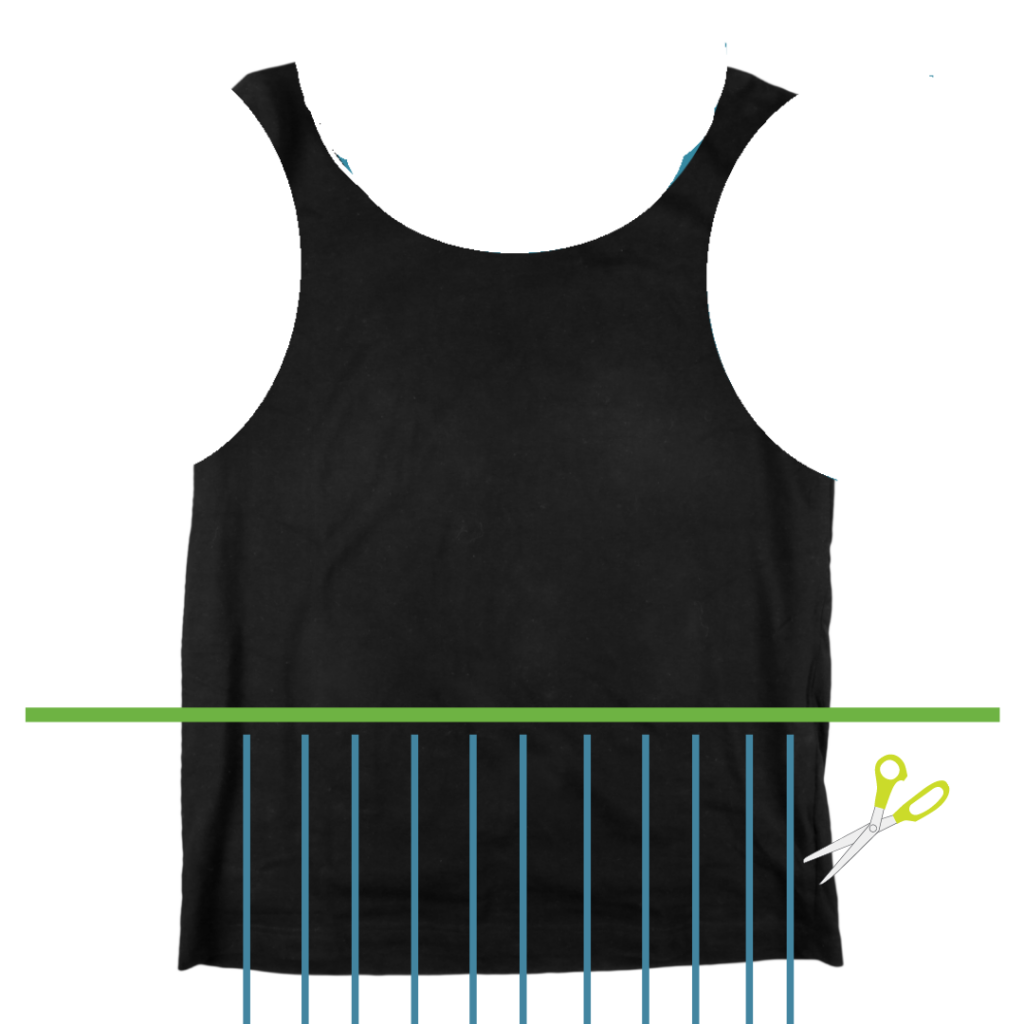
Step 6 – Measure 3 inches from the bottom of your t-shirt (or half of your hand). Mark with your marker where this is.
Step 7 – Cut out 1.5 to 2 inch strips from the bottom of your t-shirt up to your indicator line. Make sure you cut your end pieces so that the front and back are separated.
Step 8 – Make sure the strips are laying flat (you may need to re-smooth out your t-shirt).
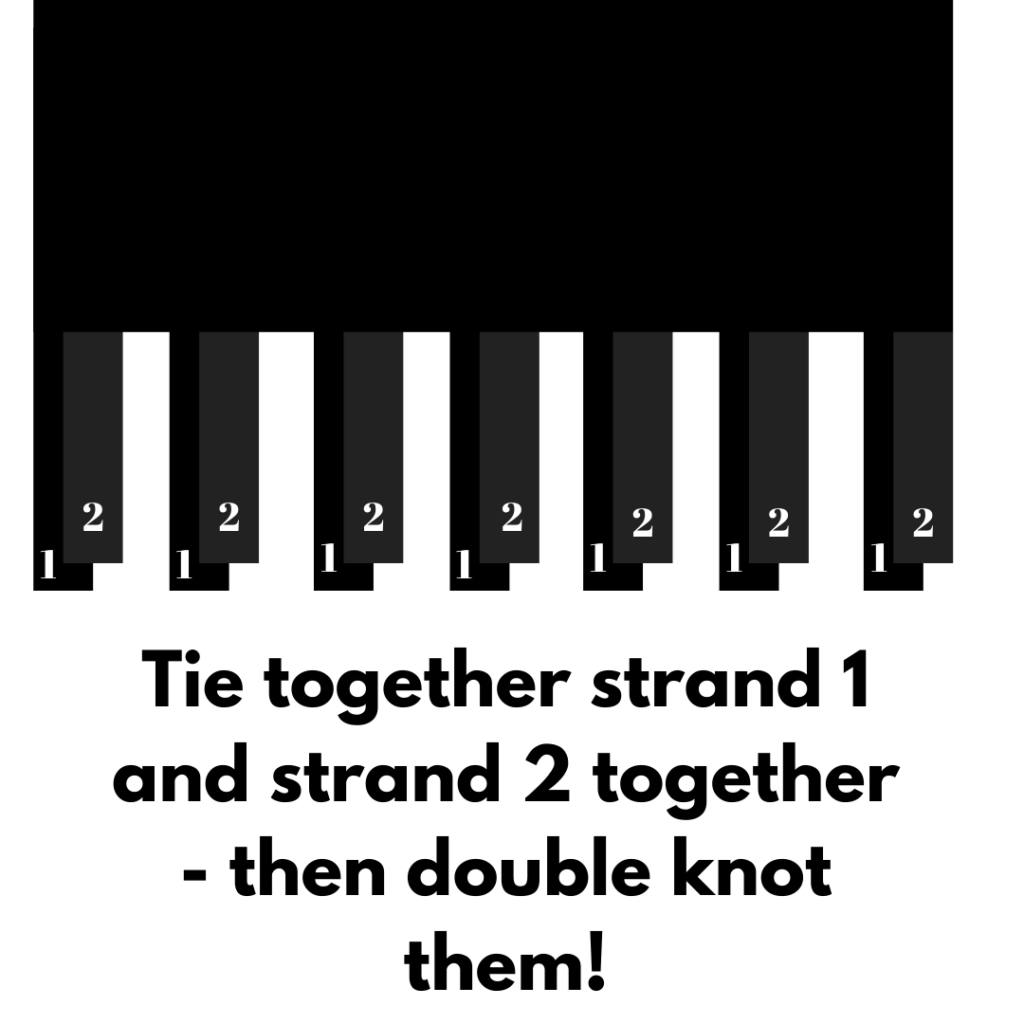
Step 9 See how each strip has a strip underneath it? Tie those together. Do this all the way across and then double knot each one.
Step 10 – Fold your bag inside right – and you’re done!
Scotch Plains Public Library mission: to welcome and support our entire community with resources and services that enhance lifelong learning.
While the library building is closed to the public, we are still working hard to fulfill our mission. The Adult Services Department wants to make sure that we are providing programs and services that you can use, even without access to physical materials and space. We invite you to respond to our survey and let us know how we might best meet your needs during this time.
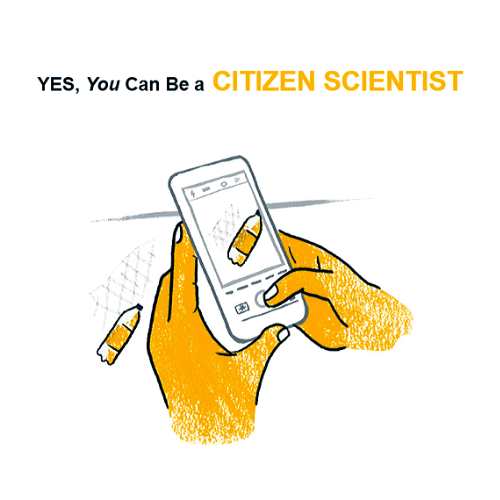
Did you know that you can easily make meaningful contributions to scientific research—while staying home and staying safe?
Scientific research depends on data–much of which is based on observations that can be done more effectively and more quickly by the ordinary human eye and brain than by computers.
By harnessing the power of the crowd, research can advance much more quickly than if scientists had to do this work on their own!
Citizen Science is a way for all of us to use our ordinary powers of observation to advance real scientific research.
The best place to start your Citizen Science journey is Scistarter.org.
Scistarter is a portal for finding projects and tracking your contributions.
Once you’ve created an account, you can easily search for projects that appeal to you.
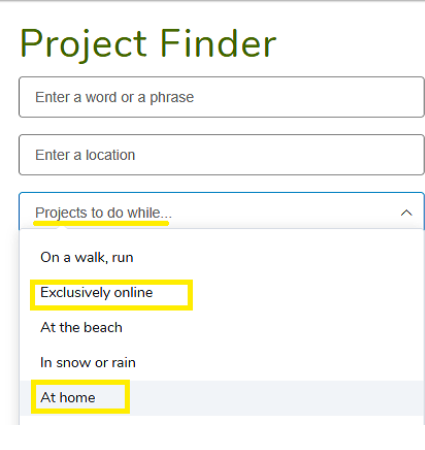
Use the Project Finder to search for projects that interest you and can be done safely from home!
Even a few minutes of your time every now and then can create valuable data for scientists! Here are some examples of the different types of projects you can get involved in right now:
The Great Backyard Bird Count
“The Great Backyard Bird Count is an annual four-day event during which bird watchers count birds to create a real-time snapshot of where birds are located around the world.
Scientists and bird enthusiasts can learn a lot by knowing where birds are. No single scientist or team of scientists could hope to document the complex distribution and movements of so many species in such a short time.
Anyone, from beginning bird watchers to experts, can participate in the The Great Backyard Bird Count.” The 2021 count is being held February 12-15.
Learn how to participate by watching this program recorded on February 1, 2021. Scotch Plains Fanwood High School teachers Matthew Ritter and Zachary Rittner cover some birding basics and clearly explain the process of contributing to the Count.
View the presentation slides with links to their recommended resources:
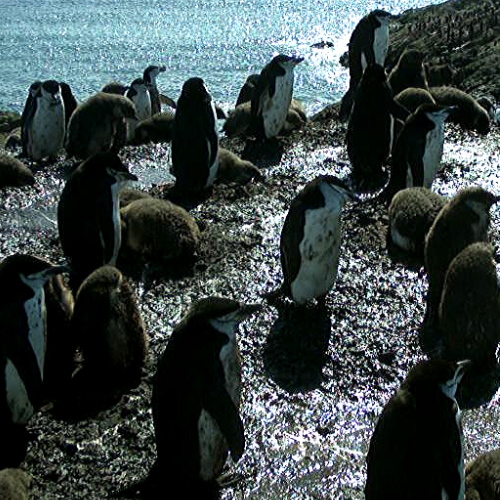
Count penguins and chicks in remote locations from your home computer!
Penguin Watch is an easy and fun project that will provide scientists with data they need— in time to understand why penguin populations are declining. Seabirds like penguins are considered to be ‘sentinel’ species, meaning that changes in their behavior and populations can provide early warning of risks to key ecosystems, and by extension to humans.
Seabirds are declining worldwide; under threat from climate change, pollution, disturbance and competition with fisheries. We want to monitor, understand and protect these species, but we have lacked the ability to collect data on a large enough scale.
You can tell a lot about a galaxy just from its shape!
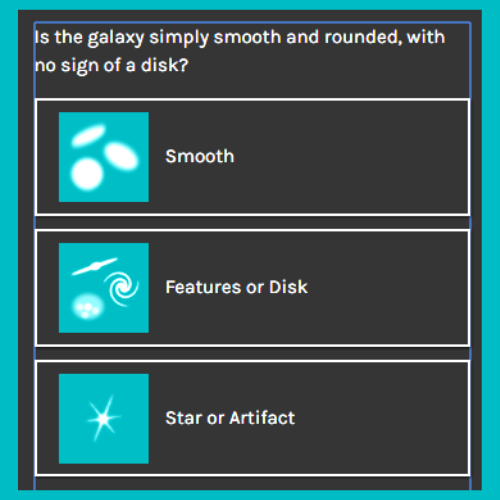
The Galaxy Zoo project is done from your computer by viewing photographs from powerful telescopes, and answering a series of questions about their shape. Understanding galaxies helps scientists learn about the past, present and future of the Universe as a whole.
You can answer these questions without any specialist knowledge— the ordinary human brain can perform these pattern recognition tasks better than any computer!
iNaturalist
Make important contributions to biodiversity science from your own backyard or neighborhood!
iNaturalist is an easy-to-use app that lets you upload a picture of any wild plant, animal, or fungus. Over 80,000 daily users in over 240 countries can connect with other by helping to identify sightings. Your contributions can create research quality data for scientists who are working to better understand and protect nature. Every observation becomes part of a growing record of Earth’s biodiversity!
You can also view what others have seen in your area! Wondering if there are wild turkeys—or coyotes—in our vicinity? Use the Explore option to find out! (Yes, there are!)
Nothing is better than the human eye for transcribing handwriting.
Do your interests lie more in history? Citizen Science has projects for you, too!
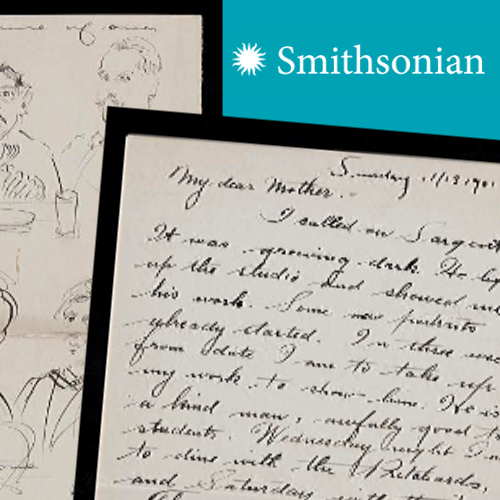
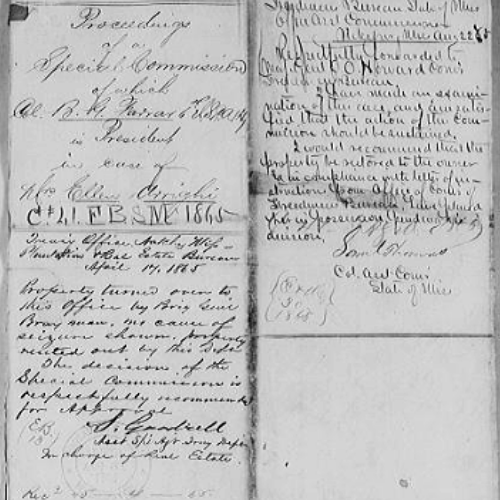
The Smithsonian Transcription Center has thousands of letters, diaries and records at that need your eyes to reveal their treasures! Enter the world of American artists in Paris between 1860 and 1930 through their letters. Bring to light the experiences of formerly enslaved men and women during Reconstruction by transcribing records from the Freedman’s Bureau. You’ll learn about historical events in a completely different way, and bring valuable human stories to light for researchers and the public .
Stall Catchers
A Citizen Science project that feels like a game–but is actually advancing Alzheimer’s research!
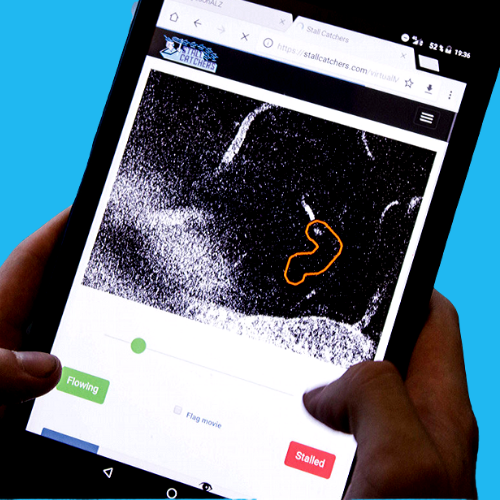
Stall Catchers is a game-like project—the object is to “catch” stalls by looking at movies from the brains of mice and scoring blood vessels as “flowing” or “stalled.” The stalls indicate the reduced blood flow that’s associated with Alzheimer’s disease and other forms of dementia. Even the most powerful computer technologies can’t perform this task accurately enough—and without the help of the crowd, the research process could take decades.
With the efforts of Citizen Scientists, a treatment could potentially be developed quickly enough to help people who have the disease now! Stall Catchers can be done from any type of computer or connected device.
This short video explains the science behind Stall Catchers:
Visit our website for information on joining the Library’s Stall Catchers team–let’s see how much we can contribute by working together!
Would you like to read more about the fascinating world of Citizen Science?
The Field Guide to Citizen Science is a wonderful introduction to the world of Citizen Science that will definitely inspire you to give it a try!
The Scotch Plains Downtown Redevelopment Committee (SPDRC) has launched a new survey aimed at gathering input from the community on both a new, expanded library and a community center facility. The need for this has been identified through Downtown Redevelopment Committee member comments and public input at several meetings.
Residents are urged to take the survey as their opinions will help shape the future of Scotch Plains. Click here to take the survey. Paper copies of the survey are also available at the Library.